Learning Outcomes
i. Understand the function of adrenaline in the body's response to exercise and emergency conditions.
ii. Comprehend the physiological effects of adrenaline release.
iii. Apply knowledge of adrenaline to understand the role of hormones in the body's stress response.
i. Function of Adrenaline
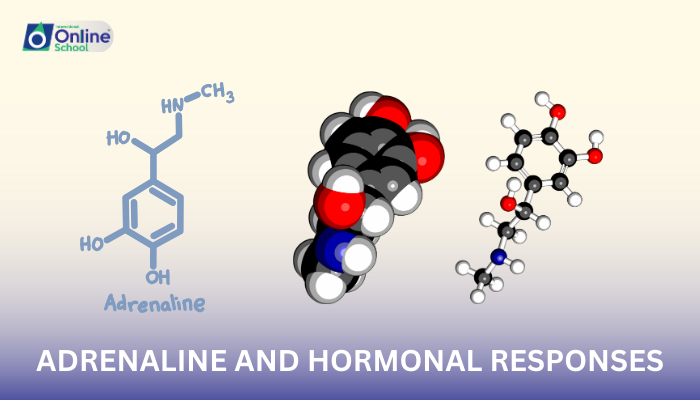
Adrenaline Release: Also known as epinephrine, adrenaline is a hormone secreted by the adrenal glands, often in response to stress, fear, or exercise.
Fight or Flight Response: Adrenaline prepares the body for rapid action—the 'fight or flight' response—by increasing heart rate, expanding air passages in the lungs, and mobilising energy stores.
ii. Physiological Effects of Adrenaline
Cardiovascular System: Adrenaline increases cardiac output, elevates blood pressure, and redirects blood flow to essential organs and muscles.
Respiratory System: It dilates the bronchioles, reducing resistance in the respiratory airways and increasing airflow to the lungs.
Metabolic Shifts: Adrenaline stimulates the breakdown of glycogen to glucose in the liver and muscles, raising blood glucose levels to supply immediate energy.
iii. Hormones and Stress Response
Cortisol: Another stress hormone released by the adrenal glands is cortisol, which helps mobilise energy, modulate immune responses, and maintain blood pressure.
Synergistic Action: Along with adrenaline, cortisol and other hormones work together to ensure the body can cope with stress, whether it's due to a sudden threat or prolonged exercise.
Recovery: After the stressor is removed, hormone levels return to baseline, a process also managed by negative feedback mechanisms.
In conclusion, adrenaline plays a critical role in preparing the body for 'fight or flight' in stressful situations, including exercise and emergencies. The hormone's effects on the cardiovascular and respiratory systems, as well as on metabolic processes, illustrate the body's capacity to respond rapidly and effectively to challenges. Understanding the actions of adrenaline and other stress hormones provides insight into the complex hormonal interplay that underlies the stress response and homeostasis maintenance.
